Why Fotona 4D Laser Facial (TimeWalker) Is a Trending Treatment in Encino, CA
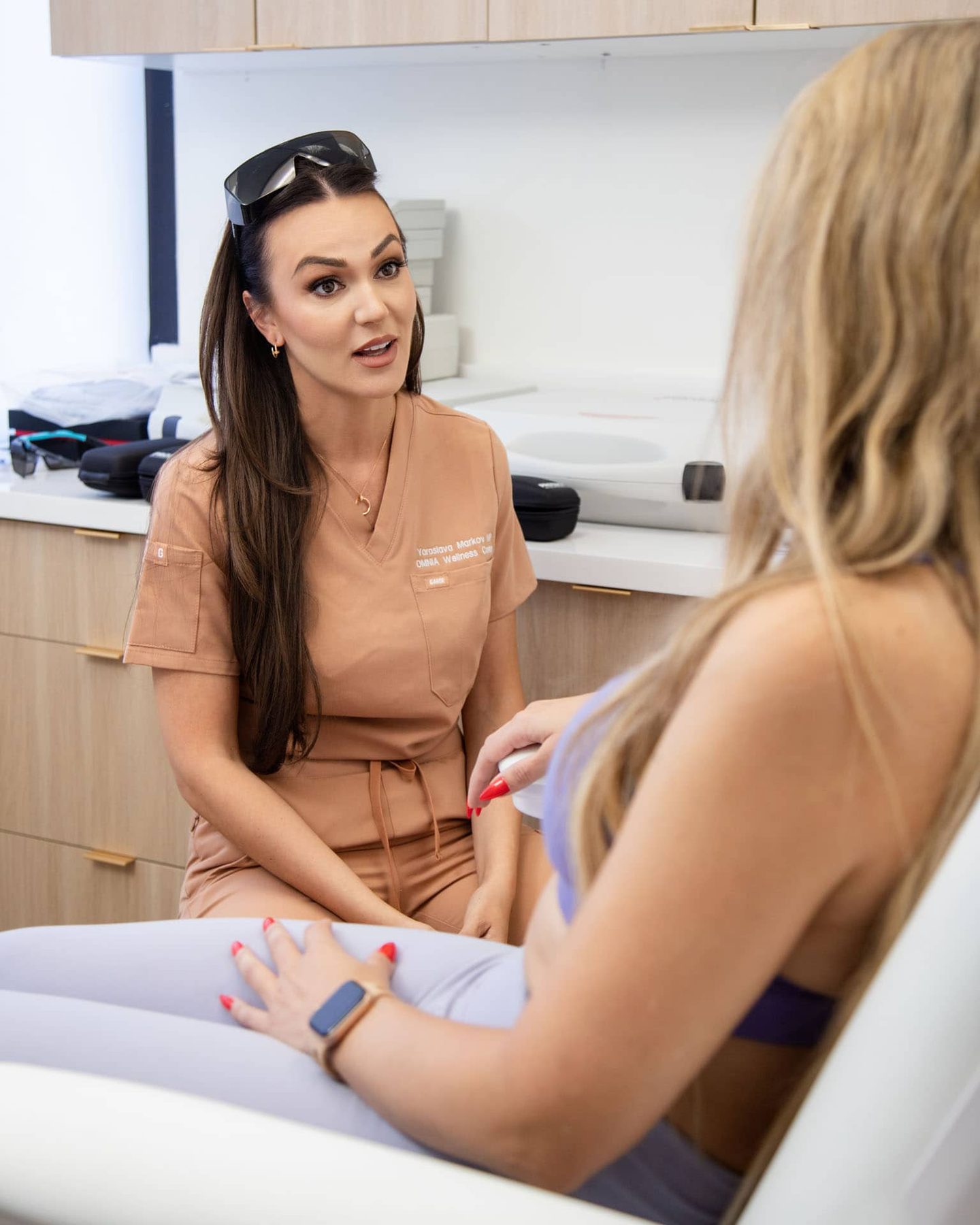
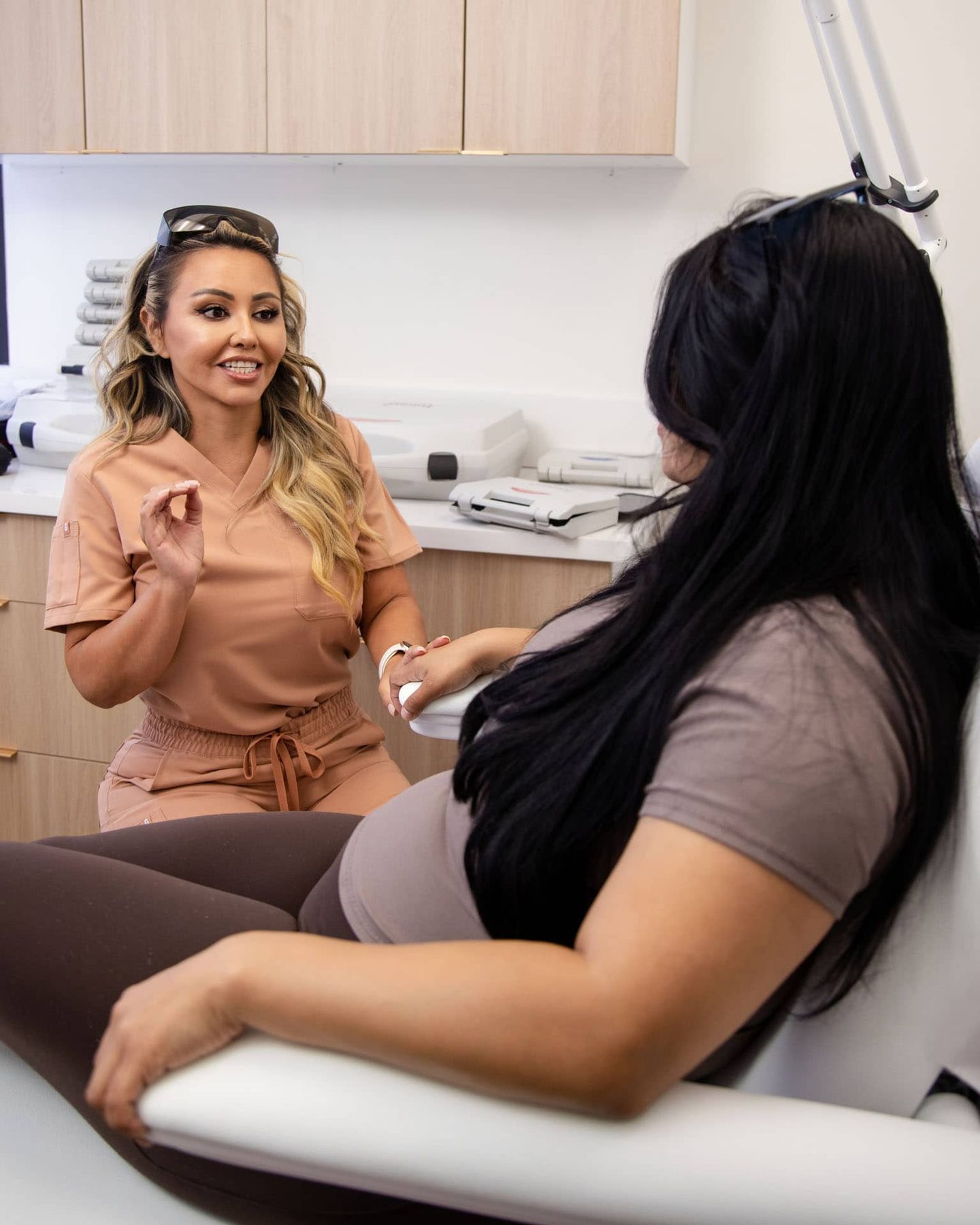
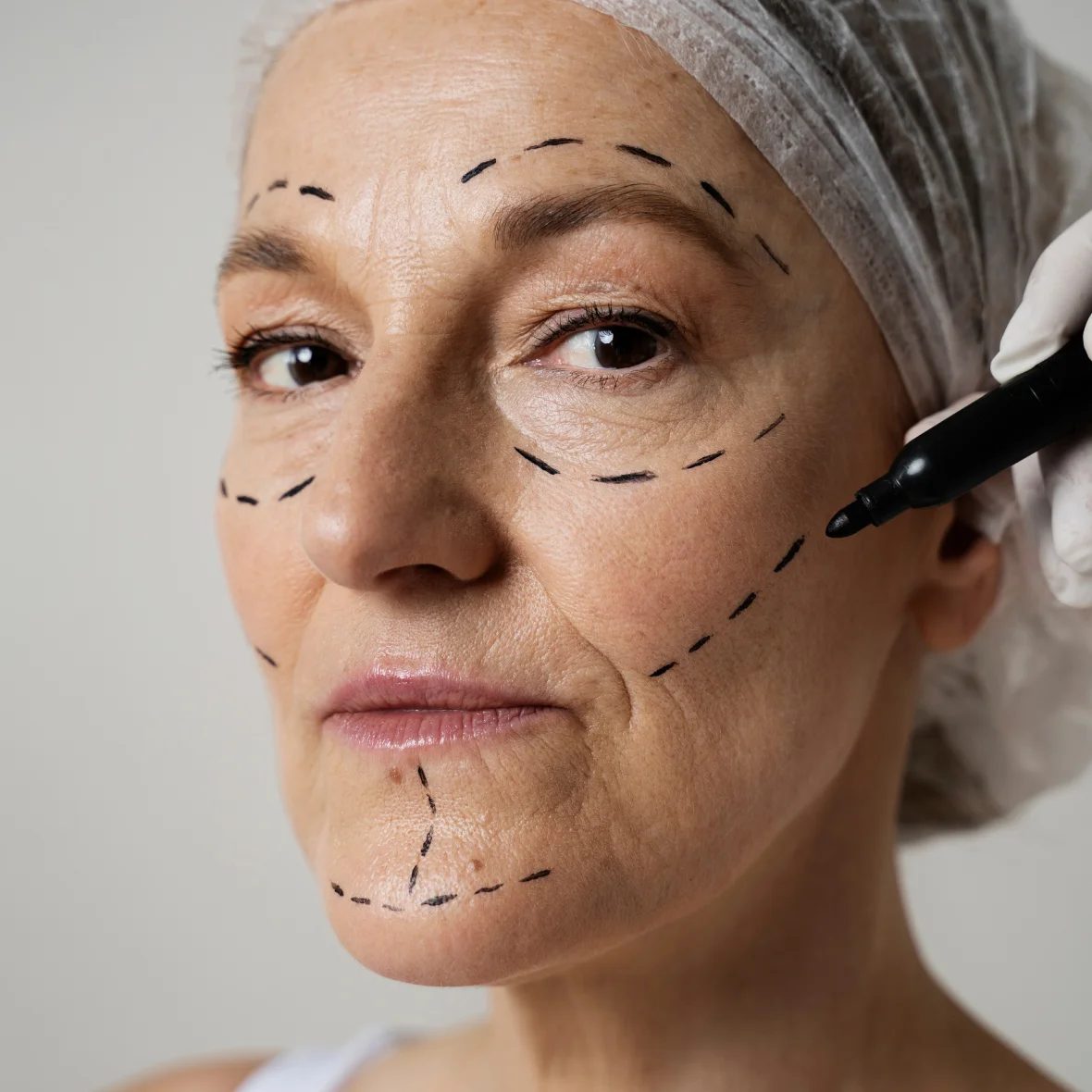
Encino has never been a place where people chase every aesthetic fad without asking hard questions first. Patients here tend to be informed, busy, and practical. They want treatments that improve the skin, fit into real schedules, and do not announce themselves to the world with a week of hiding indoors. That mix of expectations helps explain why the Fotona 4D Laser Facial (TimeWalker) has become such a strong conversation starter in Encino, CA.
The appeal is not mysterious. This treatment sits in a space many people have been searching for: more effective than a basic facial, less intimidating than surgery, and flexible enough to address several concerns in one plan. Fine lines, early laxity, dull texture, uneven tone, and that tired, flattened look around the lower face often show up together. Patients rarely come in with only one issue. They usually say some version of, “My skin just doesn’t look as fresh as it used to,” or, “I still look tired even when I feel fine.”
That is where Fotona 4D has real traction. It is designed to work on multiple layers of tissue, including both external skin and the inside of the mouth, depending on the treatment plan. For the right patient, that layered approach can produce a refreshed look that feels more structural than surface-level. It is not magic, and it is not a replacement for every other treatment. But in the hands of an experienced provider, it can be a very smart option.
What makes Fotona 4D different from a standard laser facial
A lot of treatments get called “laser facials,” and that broad label can be misleading. Some are mainly about exfoliation. Some target pigment. Some create controlled injury in the skin to stimulate collagen over time. Fotona 4D is different because it is a protocol, not just a single pass with one setting.
The treatment typically combines several modes in one session, each aimed at a different tissue depth or skin concern. One of the reasons people mention the TimeWalker platform so often is that it allows providers to customize the sequence based on what they see in consultation. A patient with crepey texture around the eyes, mild lower face laxity, and early lines around the mouth may need a different emphasis than someone whose main concern is dullness and rough texture.
That versatility matters in a place like Encino. Patients are not all trying to correct severe aging. Many are in the prevention phase, or what I would call the “maintenance with purpose” phase. They want to support collagen, keep contours looking tighter, and improve skin quality before dramatic changes set in. Others are further along and want a meaningful non-surgical option before considering something more invasive.
When providers talk about Fotona 4D, they often describe the treatment as working from the inside out and the outside in. The intraoral component is one of the details that gets people curious. Treating tissue inside the mouth can support tightening in areas such as the nasolabial folds and lower face without needles or incisions. For many patients, that sounds almost too good to be true, so education becomes important. Results tend to be gradual, not instant. The skin often looks brighter soon after treatment, but collagen remodeling takes time.
Why Encino patients are paying attention
Trends in aesthetic medicine do not spread evenly. What becomes popular in one neighborhood may barely register in another. Encino has a specific patient profile that helps certain treatments rise quickly. There is a strong preference here for polished but believable results. People want to look rested, healthy, and well-maintained, not overdone.
That preference aligns well with the strengths of Fotona 4D Laser Facial (TimeWalker) Encino, CA searches have been climbing around. The treatment is often chosen by people who want visible improvement without the telltale markers of aggressive intervention. They may be professionals who cannot disappear from work for ten days. They may be parents juggling school pickups and meetings. They may already be using injectables and skincare, but sense that something is missing in the overall quality of their skin.
Another factor is seasonality. Southern California lifestyle patterns shape treatment decisions in practical ways. More outdoor time means more cumulative sun exposure, which contributes to texture changes, pigment irregularity, and collagen breakdown. At the same time, the climate encourages year-round social activity. Patients want treatments they can schedule without turning their calendars upside down.
Fotona 4D fits into that reality better than many people expect. Downtime varies with intensity and skin type, but many patients experience redness and mild swelling rather than prolonged peeling or significant crusting. Some return to routine quickly, especially if they had a gentler protocol. That shorter social recovery window makes a real difference.
The TimeWalker name matters for a reason
Patients often ask whether TimeWalker is just branding. The honest answer is that branding exists in aesthetics, as it does everywhere else, but the platform itself matters. TimeWalker refers to a specific approach and technology ecosystem from Fotona that supports precision, customization, and treatment layering.
From a clinical perspective, the value is not in the name alone. It is in how the platform allows an experienced provider to tailor the treatment. This is one of those areas where outcomes depend heavily on judgment. Two patients can be the same age and have completely different treatment plans. One may need more emphasis on skin texture and pore appearance. Another may need a deeper collagen-focused strategy, with a conservative approach to surface treatment because of sensitivity or pigment risk.
That customization is one reason the treatment keeps gaining attention instead of fading after a short burst of hype. When something works only for a narrow type of patient, it tends to stall. When it can be adapted thoughtfully, it tends to endure.
What concerns it can address well
The strongest candidates for Fotona 4D are usually not looking for one dramatic correction. They are looking for an overall upgrade in skin quality and mild to moderate tightening. That includes the person whose makeup sits poorly because the skin is rougher than it used to be, and the person who notices that the lower face has started to soften in photos.
In practice, providers often use it to target fine lines, early jowling, laxity around the cheeks and jawline, textural unevenness, enlarged pores, and loss of radiance. Some patients also appreciate the lip and perioral benefits, especially if the area around the mouth has begun to show age before the rest of the face catches up. That is not unusual. Sun exposure, movement, and collagen decline tend to show themselves there Fotona 4D Laser Facial (TimeWalker) Encino, CA early.
It is worth saying clearly that this treatment has limits. If someone has significant skin laxity, heavy jowls, or deep folds caused by substantial tissue descent, they may be disappointed if they expect a surgical outcome. The best consultations are honest ones. A good provider will explain whether Fotona 4D is likely to give a satisfying improvement or whether another treatment, or a combination approach, makes more sense.
Why the results look natural
Natural results are one of the biggest reasons this treatment keeps getting recommended by patients to friends. Most people are not trying to look like they had “work done.” They want to look better in a way that is hard to label. Smoother. Fresher. Slightly tighter. Less fatigued.
Fotona 4D tends to play well in that space because it leans on tissue stimulation rather than volume replacement alone. There is no sudden change in facial shape the way there can be when fillers are overused. There is no frozen look associated with poor neurotoxin dosing. Instead, the skin often appears firmer and more refined over time.
That gradual shift can be a real advantage socially. One patient described it to me once as “people asking if I changed my skincare or started sleeping more.” That is often the sweet spot. The treatment creates a cumulative improvement that feels believable.
The treatment experience, realistically described
Patients are often relieved when someone explains the session without sales language. A Fotona 4D treatment is not usually described as painful, but it is not the same as lying under a hydrating mask either. Most people feel warmth, prickling, and intermittent heat. The intraoral portion feels unusual simply because few aesthetic treatments happen inside the mouth, but it is generally brief and manageable.
A session length can vary depending on whether the provider is treating the full face, adding the neck, or combining it with other services. In many practices, patients should expect to be there for well over half an hour, and sometimes longer. Topical numbing may or may not be used, depending on the protocol.
After treatment, the skin may look pink and feel warm, similar to a moderate sun exposure. Some patients have mild swelling, especially if more intensive settings are used. Texture can feel dry or rough for a short period afterward. Makeup timing depends on the intensity of the session and the provider’s instructions, but many patients are not dealing with dramatic downtime.
That said, “minimal downtime” should never be interpreted as “no visible recovery for everyone.” Skin type, sensitivity, treatment depth, and aftercare all affect how someone looks the next day. This is where realistic counseling matters more than marketing.
The rise of combination treatment plans
One reason Fotona 4D has staying power is that it fits neatly into broader rejuvenation plans. Very few people get the best result from a single category of treatment forever. Aging is layered, so treatment is often layered too.
A patient may use neuromodulators for forehead movement, a conservative amount of filler for structural support, medical-grade skincare for pigment and barrier health, and Fotona 4D for collagen stimulation and tightening. Another may skip filler entirely and use laser-based maintenance as the backbone of the plan. There is no universal formula.
Encino providers who see a lot of aesthetic patients tend to think this way already. They are not just asking what one device can do. They are asking how a treatment fits into the patient’s face, goals, age, budget, and recovery tolerance. That bigger-picture approach is part of why the treatment keeps trending. It is useful, not isolated.
Who tends to be happiest with it
Not every popular treatment suits every patient. The people who tend to be happiest with Fotona 4D usually share a few traits:
- They want gradual, natural-looking improvement rather than a dramatic overnight change.
- They have mild to moderate signs of aging, especially texture changes and early laxity.
- They understand that collagen remodeling takes time and often benefits from a series.
- They are willing to follow aftercare and protect their skin from sun exposure.
- They value versatility and would rather address several concerns in one plan.
That fourth point is more important than it sounds. Patients who invest in laser treatment but continue heavy sun exposure without protection often blunt their own progress. In Southern California, that is not a minor issue.
Why providers appreciate it too
A treatment does not become a local favorite on patient demand alone. Providers continue offering and recommending procedures when they see repeatable value in the clinic. Fotona 4D earns that confidence for several reasons.
First, it offers range. Providers can tailor intensity and treatment emphasis instead of forcing every patient into the same template. Second, it addresses a set of concerns that walk into the office every day: mild laxity, fatigue around the mouth and cheeks, textural dullness, and collagen loss. Third, it fills a gap between spa-level maintenance and more aggressive resurfacing or surgery.
That middle ground is clinically useful. There are many patients who are not ready for surgery, do not need deep ablative resurfacing, or simply do not want the downtime. Giving those patients a thoughtful option matters.
It also helps that the treatment tends to photograph well over time. Not in the misleading way some “before and after” claims do, but in the practical way patients care about. When the skin reflects light better and the lower face looks subtly tighter, people notice in mirrors and photos. In aesthetics, that kind of consistency matters.
What to ask before booking in Encino
The popularity of any treatment creates a familiar problem: more places offer it, but not all with the same level of expertise. A patient searching for Fotona 4D Laser Facial (TimeWalker) Encino, CA should pay attention not just to the device name, but to the provider’s experience, consultation process, and honesty about candidacy.
A strong consultation usually includes a discussion of skin type, pigment history, sun habits, current skincare, previous laser treatments, and whether the patient is prone to post-inflammatory pigmentation or prolonged redness. Those details influence settings and sometimes determine whether the treatment is the right fit at all.
Patients should also ask how many sessions are typically recommended. Many providers suggest a series rather than a one-and-done appointment, especially when the goal is collagen remodeling and skin tightening. Maintenance may be needed after the initial series. That is not a flaw in the treatment. It is simply how biologic aging works.
Cost is another area where clarity matters. Pricing varies widely based on treatment area, provider expertise, and whether the plan includes the neck or additional modalities. Lower pricing is not automatically a bargain if the protocol is watered down or the consultation is superficial.
Aftercare influences results more than people think
Aftercare for laser treatments is often presented as simple, but small mistakes can affect healing and outcomes. Patients do best when they treat the skin gently for several days and avoid the urge to “fix” dryness or roughness with strong exfoliants.
The basics are usually straightforward:
- Use gentle cleanser, bland moisturizer, and broad-spectrum sunscreen.
- Avoid retinoids, acids, scrubs, and heat-heavy exercise until cleared by the provider.
- Minimize direct sun exposure, especially in the first several days.
- Follow all timing instructions for makeup, active skincare, and any prescribed products.
- Report unusual swelling, blistering, or prolonged irritation promptly.
This sounds simple because it is simple, but compliance is uneven. Patients who do well tend to follow instructions exactly, especially in the first week.
Why it keeps trending instead of peaking and fading
Aesthetic trends often burn hot and then collapse under disappointment. Either the results do not hold up, or the treatment solves such a narrow problem that most patients move on. Fotona 4D has avoided that pattern because it meets several real needs at once.
It offers visible skin revitalization. It addresses early laxity without surgery. It can fit into a modern schedule. It works well as part of a broader facial aging strategy. Most important, when selected appropriately, it often produces the kind of result patients actually want: improvement that feels authentic to their face.
Encino is a market that rewards that kind of outcome. Patients here generally have access to options. They are not choosing a treatment because it is the only game in town. They are choosing it because it makes sense among many choices. When a treatment keeps getting selected in that environment, it usually means it has Fotona 4D Laser Facial (TimeWalker) Encino, CA earned its place.
There is also a psychological component worth noting. People are increasingly skeptical of anything that looks exaggerated or artificial. The pendulum has shifted. Subtle restoration, skin quality, and collagen support are now central goals for many patients. Fotona 4D fits neatly into that cultural shift.
The smartest way to think about it
The best way to view Fotona 4D is not as a miracle treatment, and not as a luxury facial with a stronger price tag. It sits somewhere in the clinically meaningful middle. For the right patient, it can improve texture, brightness, and firmness in a way that feels elegant rather than aggressive.
That is why it continues to trend in Encino, CA. The treatment matches how many patients want to age now: proactively, naturally, and with enough sophistication to target more than one issue at a time. When a procedure respects both biology and lifestyle, it tends to last. Fotona 4D has that advantage. It does not ask patients to choose between looking refreshed and looking like themselves. For many people, that is exactly the point.
OMNIA Wellness Center
16430 Ventura Blvd Ste 207, Encino, CA 91436
Phone: +1 818-386-8511
FAQ About Fotona 4D Laser Facial (TimeWalker) Encino, CA
What is a Fotona laser good for?
Fotona lasers support several different aesthetic protocols. The Fotona 4D facial uses two wavelengths and four treatment modes to address concerns such as fine lines, skin texture, and mild laxity. OMNIA Wellness Center offers the TimeWalker facial with an individual consultation. Suitability and likely improvement depend on the person's skin and goals; results are not guaranteed, and this treatment does not reproduce a surgical facelift.
How much does a Fotona laser treatment cost?
The cost depends on the treatment protocol, areas treated, number of sessions, and provider's assessment. Ask OMNIA Wellness Center for a current written quote that explains what is included, whether follow-up is included, and any proposed package terms. An individualized estimate is more useful than assuming that one advertised price applies to every facial treatment.
How much downtime is there after a Fotona laser procedure?
Recovery varies with the specific protocol and intensity. Fotona describes its 4D facial as having little to no downtime, but temporary redness or sensitivity can occur, and a stronger surface treatment can require more recovery. Ask the treating clinician what to expect from the planned settings, how to care for the skin afterward, and when to contact the clinic with concerns.