Fotona 4D Laser Facial (TimeWalker) Encino, CA: A Refreshing Option for Aging Skin
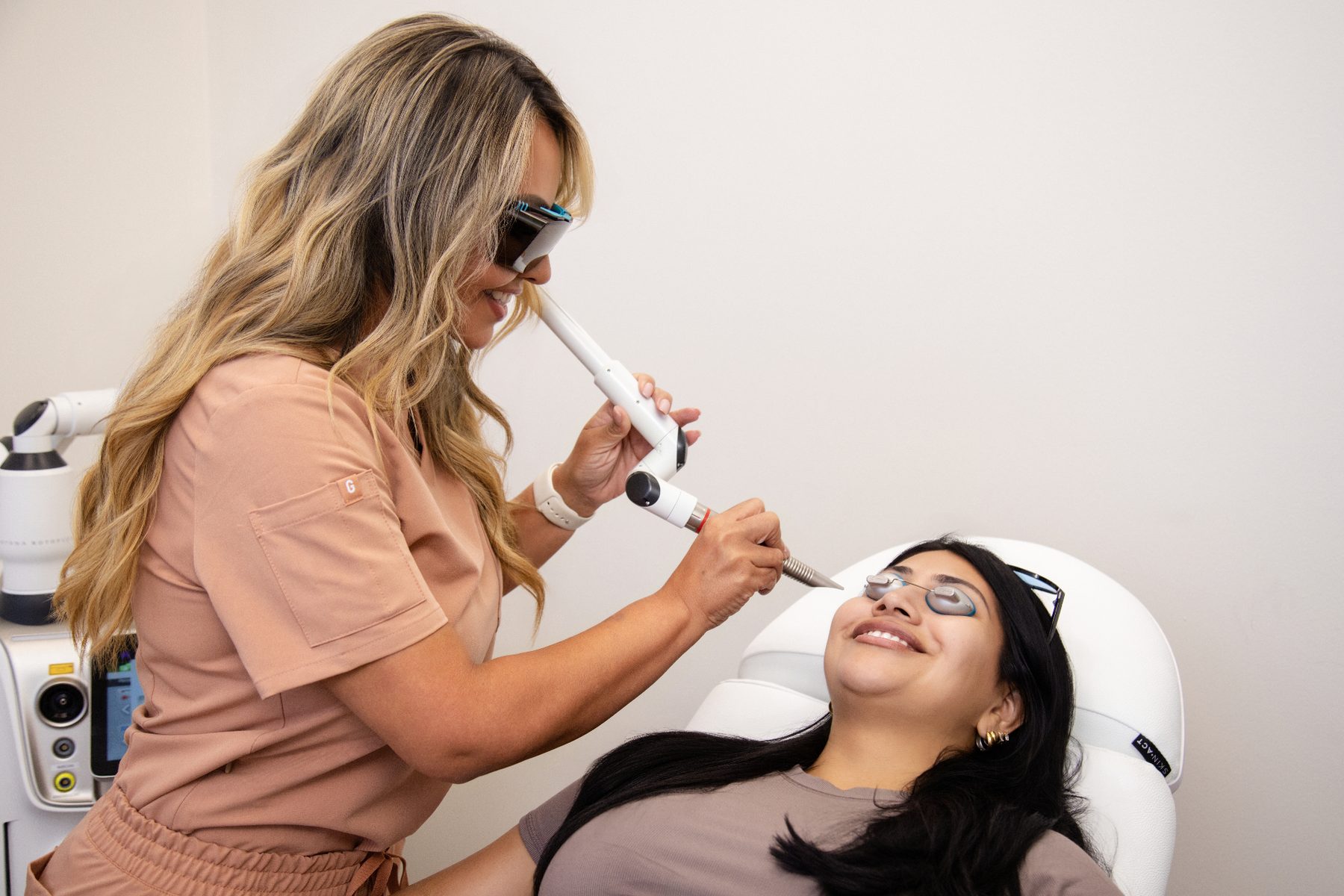
Aging skin rarely changes all at once. It tends to creep in through small shifts that are easy to miss at first. The cheeks look a little flatter in certain light. Fine lines that used to disappear after moisturizer start lingering into the afternoon. The skin around the mouth loses some snap. Makeup settles differently. For many people in Encino, those are the moments that trigger the search for something effective, but not drastic.
That is where the Fotona 4D Laser Facial (TimeWalker) Encino, CA conversation usually starts. Not with a demand for a dramatic transformation, but with a very specific goal: fresher skin, better tone, and a more rested look without committing to surgery or an aggressive recovery. This treatment has earned attention because it approaches skin aging from more than one angle. Rather than relying on a single laser pass or one superficial resurfacing step, it combines several modes in one session to target texture, laxity, and overall quality.
People often describe it as a treatment for those caught between basic facials and more invasive procedures. That description is not far off, although it helps to be more precise. A Fotona 4D treatment is not the same as a spa facial with a bit of heat, and it is not a facelift substitute either. The value lies in the middle ground. It can stimulate collagen, refine the skin’s surface, and tighten mildly lax tissue in a way that feels measurable but still realistic.
Why this treatment stands out
The phrase “laser facial” gets used loosely, which creates confusion. Some treatments focus mainly on pigment. Others lightly polish the top layer of skin. Some are intense enough to require a week or more of social downtime. Fotona 4D is different because it is designed as a sequence of complementary laser steps. In practice, that means the provider can address the skin from inside the mouth, across deeper tissue layers, and at the surface.
That inside-the-mouth step is one of the reasons people remember the treatment. It sounds unusual at first, but the concept is straightforward. By delivering controlled heat intraorally, especially along the cheeks and around the nasolabial area, the laser can support tissue tightening from a direction most other noninvasive facial treatments do not reach. For the right patient, that can make the lower face and midface look subtly firmer over time.
The rest of the session typically layers additional passes that target deeper collagen remodeling, vascular and textural concerns, and a final polishing effect on the outer skin. The treatment can be adjusted based on skin type, age, concern, and tolerance. That flexibility matters in a place like Encino, where patients are rarely all looking for the same result. A 38-year-old with early laxity and sun exposure has different priorities than a 62-year-old trying to soften etched lines and restore some tone after years of volume loss.
What “4D” really means on the skin
The “4D” label refers to four dimensions or modes of treatment, not four random steps added for marketing appeal. Depending on the device configuration and provider’s protocol, the sequence may vary slightly, but the core idea stays consistent. One stage works internally to tighten tissue. Another reaches deeper dermal layers to stimulate collagen. Another can address more superficial irregularities. The final stage provides a light resurfacing or finishing effect that leaves the skin looking smoother and brighter.
From a patient perspective, the best way to think about it is this: one session aims to work on skin quality at several depths. That matters because aging does not happen only on the surface. Fine lines are visible on top, but they are influenced by deeper changes in collagen, elastin, hydration, and support structures underneath. Treating only the top layer can help, but it may not deliver the kind of improvement people notice in photographs or mirror checks a few weeks later.
In experienced hands, the treatment can be tailored with restraint. That is a practical point, not a small one. Overtreating can cause unnecessary swelling or irritation. Undertreating can leave patients wondering if anything happened. The balance depends on skin thickness, degree of laxity, sensitivity, and whether the patient has had prior energy-based procedures.
Who tends to benefit most
The sweet spot for Fotona 4D usually includes people with mild to moderate skin aging who want visible improvement without surgery. They may notice fine lines around the mouth, early jowling, crepey texture, enlarged pores, tired-looking skin, or a general loss of firmness. Some also want a treatment that can fit into a normal schedule with limited downtime.
Patients in Encino often come in with a practical mindset. They want treatment that does not force them into hiding for ten days. They still have meetings, family events, workouts, school pickups, and social plans. A treatment that leaves the skin pink for a day or two is usually more acceptable than one that causes heavy peeling or prolonged crusting.
That said, good candidacy is not just about lifestyle. It is also about expectations. If a patient has significant skin laxity, heavy jowls, or substantial volume loss in the cheeks, a laser facial alone may not create enough lift to satisfy them. In those cases, a provider may suggest combining treatments or choosing a different path altogether. That is not a failure of the technology. It is simply proper judgment.
The patients who tend to be happiest are those who want to look better rested, smoother, and somewhat tighter, rather than fundamentally different.
What a session usually feels like
Most people want to know one thing before anything else: does it hurt?
The honest answer is that it is tolerable for many patients, but comfort varies by treatment depth, settings, and personal sensitivity. Some areas feel warm and prickly. The intraoral portion feels strange more than painful. Patients often describe it as a combination of heat and pressure. The surface polishing step can feel sharper, especially around thinner skin near the mouth.
Topical numbing may be used depending on protocol and patient preference. Even when numbing is part of the plan, the session is not identical to lying under a blanket during a facial. It is still a laser treatment. Heat is doing the work. People should expect sensation, but not necessarily severe pain.
A typical appointment includes consultation, prep, treatment, and post-care instructions. The treatment itself may take under an hour or somewhat longer, depending on how extensive the plan is. If the neck or additional areas are included, the appointment naturally runs longer.
The kind of results people notice first
Early improvements often show up as brightness and smoother texture. The skin can look a bit more polished within days, especially if there was a superficial finishing pass. Pores may appear tighter. Makeup may sit better. There is often a fresher quality to the face that patients notice before they can pinpoint why.
The tightening and collagen-related changes take longer. That part usually unfolds over weeks to a few months as the skin remodels. This is an important point to understand before booking treatment for a specific event. If someone wants to look better for a wedding next weekend, this is not the ideal timeline for maximum collagen-based payoff. If they are planning ahead for photos several weeks or months out, it makes more sense.
Visible improvements can include:
- softer fine lines, especially around the mouth
- improved skin texture and a smoother feel
- mild to moderate tightening in the midface or lower face
- a brighter, more even overall appearance
- better skin quality over time with a series
These are reasonable goals. Deep folds, heavy sagging, and major volume deficits generally need a broader plan.
Downtime, recovery, and what real life looks like after treatment
One of the strongest selling points of Fotona 4D is that recovery is usually manageable. “No downtime” is a phrase that gets overused in aesthetics, and it often sets people up for disappointment. A better way to put it is low to moderate downtime, depending on the intensity of treatment.
Most patients can expect some redness, warmth, and mild swelling. The skin may feel dry or tight for a couple of days. If the outer layers were treated more assertively, there may be a rough, sandpapery feel for a short period. This is usually not the dramatic peeling people associate with deeper ablative resurfacing, but it can still be noticeable up close.
In normal daily life, that can look like this: you can probably attend a casual lunch, run errands, or work remotely without much concern, but you might not want a high-stakes photo shoot the next day. If you are someone who flushes easily, the redness can linger longer. If your skin is resilient and you follow aftercare well, recovery may be quick.
Sun protection matters, especially in Southern California. Encino patients who spend time driving, walking outdoors, or sitting near sunny windows need to take post-treatment care seriously. Freshly treated skin does not benefit from “just a little sun.” A broad-spectrum sunscreen, hat, and basic common sense can make a meaningful difference in how the skin heals and how long results last.
Why provider technique matters more than many people realize
Laser platforms do not treat patients. Providers do.
That sounds obvious, but it is worth stressing because many med spa websites blur the distinction. The same device can produce very different results depending on the operator’s experience, parameter choices, and understanding of skin behavior. Skill shows up in subtle decisions, how aggressively to treat the perioral area, whether a patient’s melanin level changes the approach, how much heat the tissue can tolerate safely, and when to stop pushing for “more” because more will not improve the outcome.
This is especially relevant for combination treatments like Fotona 4D Laser Facial (TimeWalker) Encino, CA patients may be considering. A thoughtful provider will assess not only your wrinkles or laxity but also your skin tone, healing history, rosacea tendency, history of cold sores, active acne, recent tanning, and previous procedures. Fotona 4D Laser Facial (TimeWalker) Encino, CA These details influence both safety and outcome.
A rushed consultation is often a bad sign. Good laser planning requires attention. If a provider cannot clearly explain what the treatment is likely to improve, what it probably will not improve, and what recovery may realistically look like for your skin, that is a gap worth noticing.
When it is a strong option, and when it may not be enough
No single treatment fits every face. That is one of the first lessons people learn after spending enough time around cosmetic dermatology and aesthetic medicine. Fotona 4D can be an excellent option, but it works best within the right lane.
It tends to perform well for early laxity, textural roughness, fine lines, enlarged pores, and overall rejuvenation. It can also work well for people who want to maintain skin quality before aging changes become more advanced. Patients in their late thirties through sixties often fall into this maintenance-and-correction zone, though age alone is not the deciding factor.
Where it may fall short is severe laxity, pronounced jowling, heavy neck skin, deep etched wrinkles, or facial deflation that really stems from volume loss rather than surface aging. If the cheeks have flattened significantly or the lower face has descended more than mildly, collagen stimulation alone may not create the kind of lift a patient expects. At that point, a provider may discuss fillers, biostimulators, neuromodulators, other energy devices, or surgical consultation depending on the anatomy.
That does not diminish the value of the laser. It simply places it honestly.
Pairing it with other treatments
Combination care often produces the best facial rejuvenation outcomes, provided it is planned carefully. The face ages through multiple mechanisms, movement, volume loss, collagen decline, sun damage, and gravity among them. Because Fotona 4D primarily addresses skin quality and tightening, some patients pair it with injectables or other regenerative treatments over time.
Common pairings may include neuromodulators for expression lines, carefully placed filler for structural support, or skin-focused treatments for pigment if discoloration is a major concern. The sequence matters. So does timing. A skilled provider should decide what to treat first based on what is driving the “aged” appearance most strongly. Sometimes improving texture first makes later filler work look better. Other times restoring support changes the entire treatment strategy.
Patients sometimes assume a laser can handle every complaint at once. It usually cannot. But it can be a very effective anchor treatment around which a more complete plan is built.
Questions worth asking before you book
A smart consultation can save money, time, and frustration. Patients often get more useful information when they ask concrete questions rather than broad ones.
Consider asking:
- what specific concerns on my face is this treatment most likely to improve
- how many sessions do you usually recommend for someone with skin like mine
- what should I expect to look like the next day, and three days later
- are there reasons my skin type or history changes the plan
- if this is not enough for my goals, what would you recommend instead or in addition
These questions tend to reveal whether the provider is thoughtful and transparent, or simply trying to close a sale.
Cost in Encino and what drives the price
Pricing for laser rejuvenation varies widely in Los Angeles County, and Encino is no exception. The total cost can depend on the provider’s expertise, whether the treatment includes full-face or face-and-neck coverage, the intensity of the session, and whether a package of multiple visits is recommended.
Rather than chase the cheapest number, it is wiser to understand what is included. A low advertised price can refer to a stripped-down treatment that is far less comprehensive than a true multi-step session. On the other hand, a premium fee should be backed by expertise, customization, and clear follow-up support, not just a nicer waiting room.
If you are comparing options for Fotona 4D Laser Facial (TimeWalker) Encino, CA clinics may offer, ask whether the quote covers consultation, numbing, post-care products, and any follow-up assessment. Clarifying those details upfront avoids a lot of annoyance later.
A practical view on maintenance
The skin does not stop aging after a good laser session. That may sound blunt, but it helps people make smarter decisions. Results can be rewarding, yet they exist within the reality of ongoing collagen loss, sun exposure, stress, hormones, and normal facial movement.
Many patients do best with a series followed by maintenance, rather than a single treatment expected to carry everything indefinitely. The ideal interval depends on age, skin condition, goals, and budget. Someone with early signs of aging and good baseline skin may space treatments out significantly. Someone using the laser as part of a broader rejuvenation plan may return more regularly.
At home, the basics Fotona 4D Laser Facial (TimeWalker) Encino, CA still matter more than people want to admit. Sunscreen, a well-tolerated retinoid if appropriate, gentle cleansing, and consistency do more to protect laser investment than buying six expensive serums at once.
The appeal for Encino patients specifically
Encino has no shortage of aesthetic options, which can make decision-making harder rather than easier. Patients here often want treatments that fit into active professional and social lives. They are interested in visible results, but not in looking “done.” They want modern technology, but they also want discretion.
Fotona 4D fits that mindset fairly well. It offers a path for people who are not ready for surgery, do not want extended downtime, and still expect something more substantial than a basic facial or light peel. The treatment tends to attract those who appreciate nuance. Not everyone wants dramatic intervention. Many simply want their skin to look healthier, tighter, and less tired.
That modest-seeming goal is often the hardest to achieve well. It takes a treatment that can improve several dimensions of aging without pushing the face into an obviously treated look. When selected appropriately and performed with good judgment, Fotona 4D can do exactly that.
What to remember before choosing it
A good laser treatment should never feel like a gamble. The strongest outcomes usually come from patients who understand what the technology can realistically do and choose a provider who values honest assessment over overpromising.
Fotona 4D is a compelling option for people with early to moderate signs of aging who want smoother texture, collagen stimulation, mild tightening, and a refreshed overall appearance with manageable downtime. It is not a miracle, and it is not a substitute for every other rejuvenation approach. But in the right hands, for the right patient, it can be one of the more balanced and satisfying noninvasive treatments available.
For anyone exploring Fotona 4D Laser Facial (TimeWalker) Encino, CA providers offer, the smartest move is a consultation grounded in anatomy, timing, and realistic goals. That is where the real value begins, not in the device name alone, but in the judgment behind how it is used.
OMNIA Wellness Center
16430 Ventura Blvd Ste 207, Encino, CA 91436
Phone: +1 818-386-8511
FAQ About Fotona 4D Laser Facial (TimeWalker) Encino, CA
What is a Fotona laser good for?
Fotona lasers support several different aesthetic protocols. The Fotona 4D facial uses two wavelengths and four treatment modes to address concerns such as fine lines, skin texture, and mild laxity. OMNIA Wellness Center offers the TimeWalker facial with an individual consultation. Suitability and likely improvement depend on the person's skin and goals; results are not guaranteed, and this treatment does not reproduce a surgical facelift.
How much does a Fotona laser treatment cost?
The cost depends on the treatment protocol, areas treated, number of sessions, and provider's assessment. Ask OMNIA Wellness Center for a current written quote that explains what is included, whether follow-up is included, and any proposed package terms. An individualized estimate is more useful than assuming that one advertised price applies to every facial treatment.
How much downtime is there after a Fotona laser procedure?
Recovery varies with the specific protocol and intensity. Fotona describes its 4D facial as having little to no downtime, but temporary redness or sensitivity can occur, and a stronger surface treatment can require more recovery. Ask the treating clinician what to expect from the planned settings, how to care for the skin afterward, and when to contact the clinic with concerns.